Combining free fares with faster routes multiplies transit ridership gains
A national report finds cities that speed up buses and drop fares together see bigger ridership boosts than doing either alone, with some agencies finding fare collection costs more than it collects.
This is not our reporting
This story was reported and published by Streetsblog USA. What follows is our summary of it, and why it matters for people writing policy.
Read the original at Streetsblog USA ↗Our summary
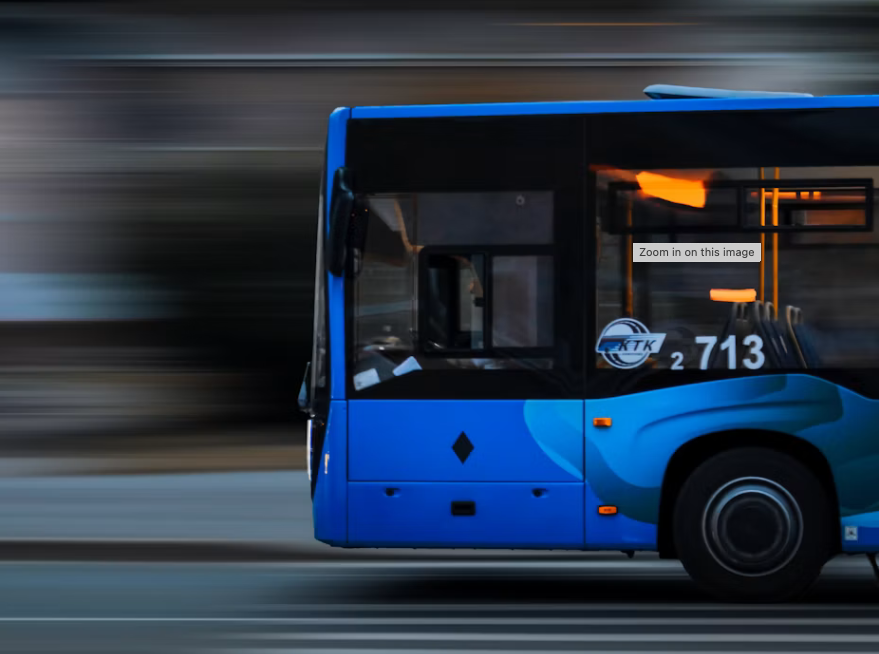
Reporting on a Climate and Community Institute study finds that smaller cities across the country, not just New York, have been experimenting with both speeding up buses (dedicated corridors, signal priority) and eliminating fares, sometimes together. The piece cites a study finding average ridership gains of 56% after fares are eliminated, and notes that some agencies, like Olympia, Washington's, found fare enforcement cost more than the revenue it brought in. The researchers argue the two strategies reinforce each other: dropping fares speeds boarding, while faster service attracts riders who help justify treating transit funding like a public utility. Useful for any city weighing whether fare-free transit is worth the revenue tradeoff.
Read the full story at Streetsblog USA ↗
More from The Effective
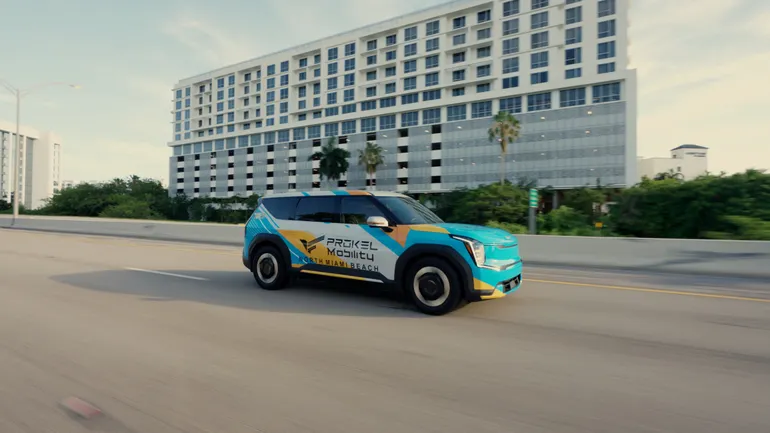
North Miami Beach transit ridership more than doubled after a route redesign
A city-hired mobility firm used ridership data to redesign bus routes and add on-demand shuttles, and monthly riders grew from about 4,000 to 10,000.

Minneapolis and St. Paul's municipally owned EV car-sharing network logged 140,000 trips in 2025
A joint city program running 168 electric vehicles and 70 curbside charging stations may be the only municipally owned car-share and charging network in the US.
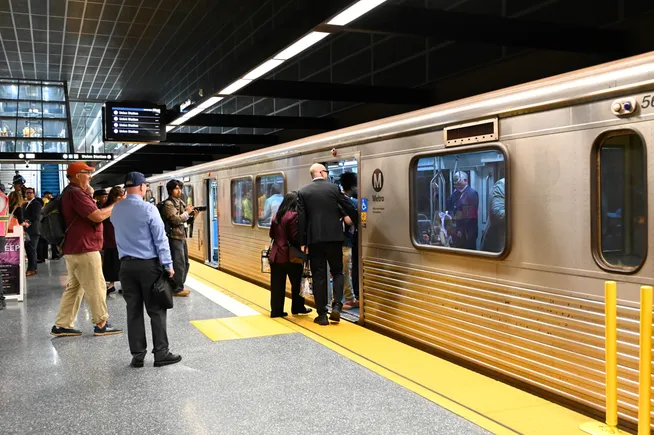
LA Metro's outreach division coincides with falling crime and rising ridership
A dedicated care-based services division pairing homelessness outreach with public safety staff accompanied an 8-month ridership rise, a 6.7% drop in violent crime, and a 57% decline in unhoused riders on the system.