Detroit's own gunshot-detection numbers show alerts rarely end in evidence or arrests
As police sought a $2.06 million contract extension, department data cited in the reporting shows shell casings recovered in about 12 percent of ShotSpotter alerts and a lower arrest-clearance rate than for gunfire reported by other means.

This is not our reporting
This story was reported and published by Route Fifty. What follows is our summary of it, and why it matters for people writing policy.
Read the original at Route Fifty ↗Our summary
Detroit police asked the City Council for a $2.06 million, nine-month extension of their ShotSpotter contract, and the reporting lays out the department's own figures on what the sensors produce. Across 24,225 alert-triggered incidents in 2024 and 2025, according to the piece, officers recovered shell casings in about 12 percent, located a witness in roughly 2 percent, and rendered aid in under 1 percent. Some 9 percent of alert-originated incidents were cleared by arrest, against about 13 percent for gunfire cases reported another way; 81 percent were inactive. Council members requested wrongful-arrest and sensor-location data. Any city facing a renewal can demand the same side-by-side comparison before signing.
Read the full story at Route Fifty ↗
More from The Effective

Delaware district swaps armed police for district-employed constables in middle schools
Facing board pushback over school arrests, Christina School District will phase school resource officers out of middle schools and replace them with constables it employs directly.
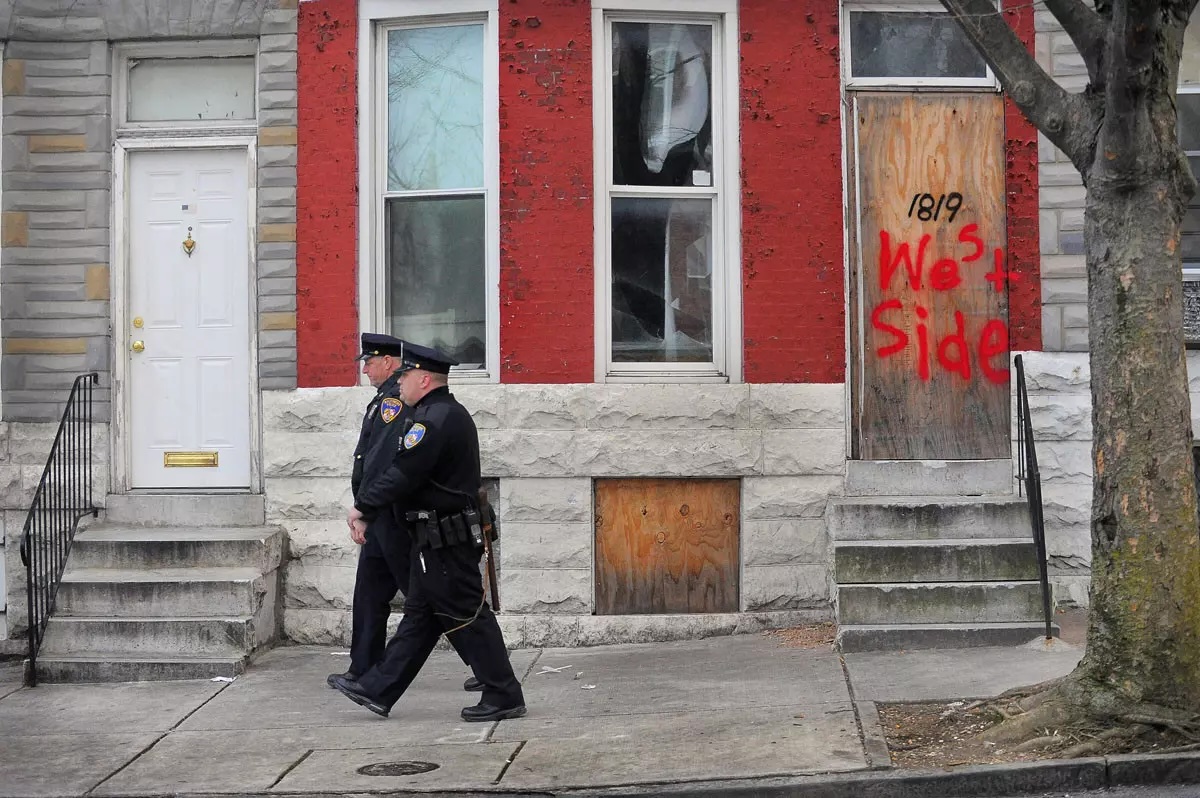
Baltimore has Found the Key to Urban Violence
A knock at the door. Two cops, your pastor, and a social worker with a message: stop the gun violence. This is exactly how one of America's most violent cities reduced homicides by 60%.
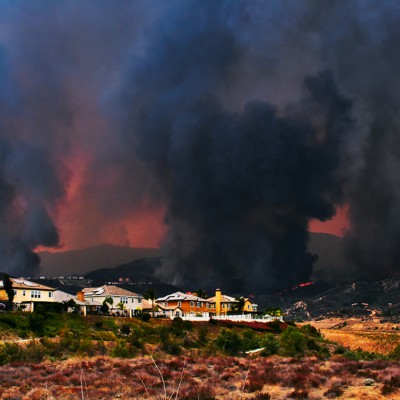
California's camera network spotted more than half of 2025's wildfires before anyone called 911
Nine years into a state-university partnership, the reporting says AI-assisted cameras informed the response to about 3,600 incidents last year, though no false-alarm or response-time figures are given.