Who are the Ideal 911 Operators?
Washington, DC looped nurses into the 911 call flow and avoided nearly $4 million in ambulance costs during its pilot program.
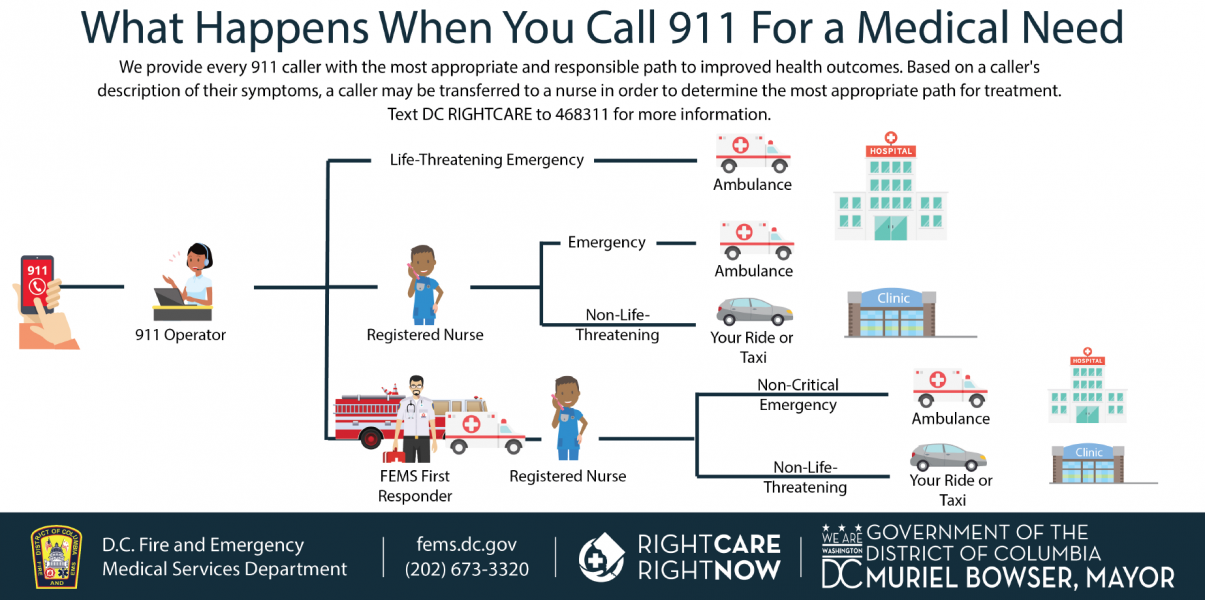
Washington, DC looped nurses into the 911 call flow and avoided nearly $4 million in ambulance costs during its pilot program.
When you call 911, does it matter who answers on the other end? No one expects to call 911 one day, but everyone hopes, when that call is made, that 911 will come to their rescue. Given all that 911 dispatchers must handle, who picks up matters. Dispatchers must be competent and organized, but in DC, the city wanted medical professionals in the loop as well.
People call 911 for many reasons. Some calls require an ambulance ride to the Emergency Room, but many could be handled by an urgent care, or at home self care methods. In DC, Fire and EMS thought nurses may be able to parse the emergencies from non-emergencies more efficiently.
So DC ran a test. In the spring of 2018, DC Fire & EMS set up a nurse triage line to make recommendations and help callers address non-emergency care options. They called it “Right Care, Right Now.”
The Office of Unified Communications and Fire & EMS noted that most of the non-emergency calls that came in dealt with three concerns: (1) the caller was not sure if the situation was an emergency, (2) the caller did not have a regular doctor or did not know how to access medical care, (3) or the caller did not have transportation.
In addressing the first two issues, the nurses could assess the situation, determine whether it is truly a non-emergency, and then refer the caller to a primary care doctor or urgent care clinic with walk-in appointments. For callers who struggled with transportation, the City reformed its Medicaid regulations, so urgent transportation became Medicaid-eligible. Nurses coil then book a rideshare to a primary or urgent care center and know it would be covered by insurance.
Nurse triage lines have been set up in other cities, and insurance companies also offer them, but DC was novel in adding nurses directly to the 911 call flow.
To determine whether the nurse triage line was actually making a difference, The Lab @ DC conducted a randomized trial. Eligible calls were randomized, and sorted into a control group and a treatment group. The callers given the standard emergency services line were the control group, while the callers given the option of connecting with a nurse were the treatment group.
The nurse triage line dropped ambulance dispatches from responding to 97% of calls down to 56% of calls.
For those looking for transportation, the control group sent 73% of callers to emergency rooms in an ambulance, while only 45% of callers had the same requirements in the treatment group. Far more callers in the treatment group were able to secure alternative transportation to primary care of urgent care facilities.
Municipal ambulance services cost, on average, $3,127 per transport, so any reduction in unnecessary ambulance trips is a meaningful saving. In the DC trial, the treatment group saved roughly $3.9 mn in ambulance dispatch costs to emergency sites, even while serving seven more calls than the control group. The callers themselves also saved significant time and money by avoiding the hours and thousands of dollars that come with an Emergency Room visit.
For Medicaid beneficiaries, the program helped callers get follow-up care. 8.5% of Medicaid callers in the treatment group had a primary care visit within 24 hours of the call to follow up on medical care, compared to only 2.5% of the control group. This also saves hospitals the time and money associated with treating non-emergency cases that could be better handled by a primary care physician.
The trial was an obvious, and the nurse triage line has been running ever since.
More from The Effective
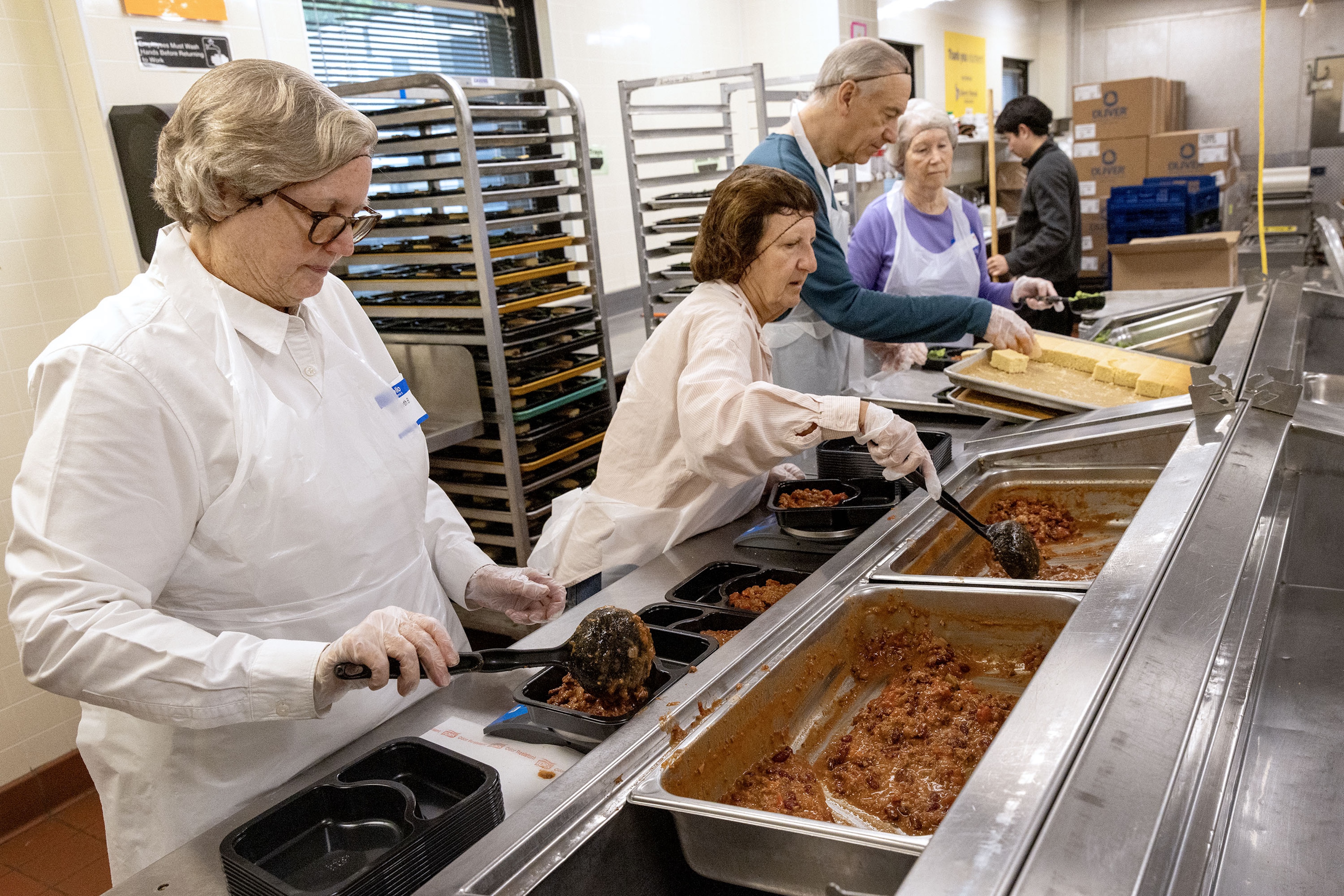
Massachusetts Medicaid meal deliveries cut hospital visits, study finds
A peer-reviewed study of nearly 1,900 Massachusetts Medicaid patients found medically tailored meal deliveries were linked to 20% fewer ER visits and 31% fewer hospitalizations, even as federal funding for such waivers grows uncertain.

A Kansas City health department turned around falling back-to-school vaccination rates
Extra clinics, extended hours, and a rapid-response news conference countering vaccine misinformation produced a measurable uptick in immunizations within days.
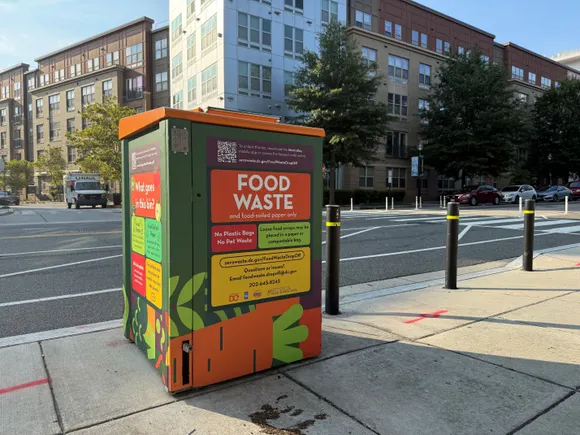
DC's locked food-waste bins have diverted over a million pounds since 2024
Washington, D.C.'s network of keypad-access composting bins, aimed at apartment dwellers without curbside pickup, has grown steadily in use and is expanding by 20 more sites this fall.