DC's locked food-waste bins have diverted over a million pounds since 2024
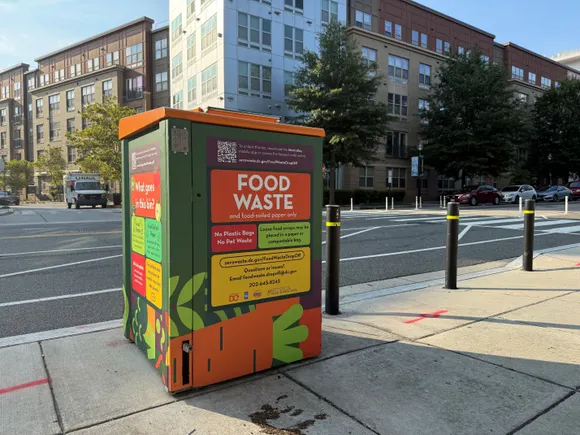
Washington, D.C.'s network of keypad-access composting bins, aimed at apartment dwellers without curbside pickup, has grown steadily in use and is expanding by 20 more sites this fall.
This is not our reporting
This story was reported and published by Smart Cities Dive. What follows is our summary of it, and why it matters for people writing policy.
Read the original at Smart Cities Dive ↗Our summary
According to the piece, Washington, D.C.'s food-waste diversion program, launched in 2024, has expanded from a handful of locked 'smart bins' to 31 across the city, with another 20 planned this fall to serve multifamily housing residents who lack curbside composting access. The reporting notes more than 1 million pounds of food waste have been dropped off via keypad-access bins, and roughly 10,000 residents have signed up, with popularity growing sharply in the last 18 months. The program is part of a broader goal to divert 80% of the city's waste from landfills by 2040, offering a low-cost model apartment-heavy cities elsewhere could adapt for composting access without full curbside infrastructure.
Read the full story at Smart Cities Dive ↗
More from The Effective
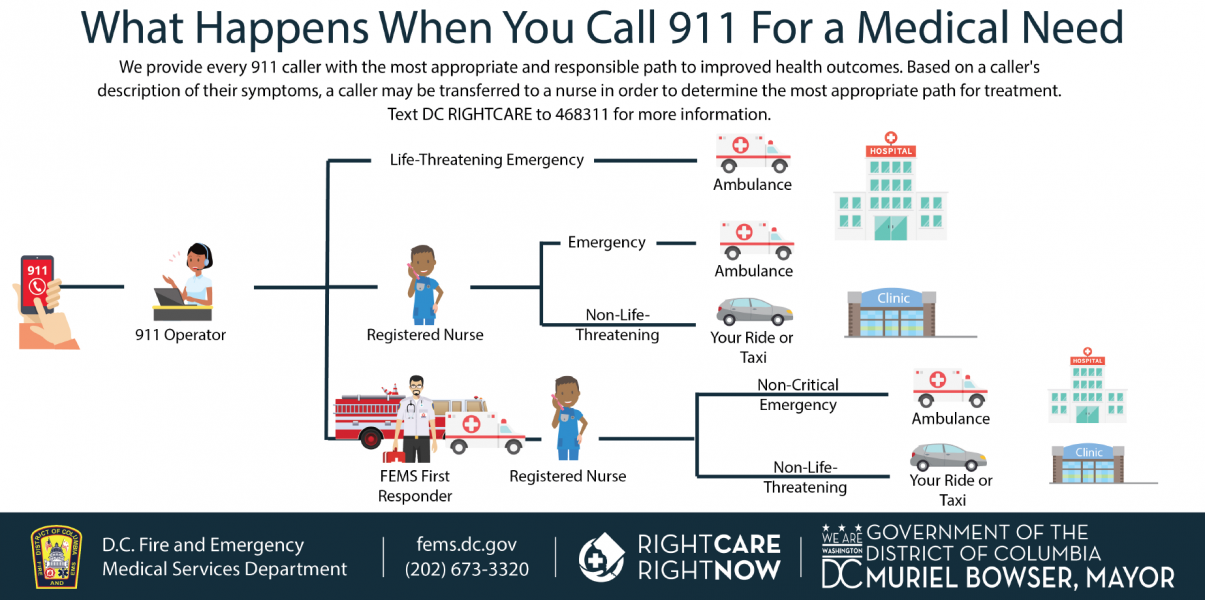
Who are the Ideal 911 Operators?
Washington, DC looped nurses into the 911 call flow and avoided nearly $4 million in ambulance costs during its pilot program.
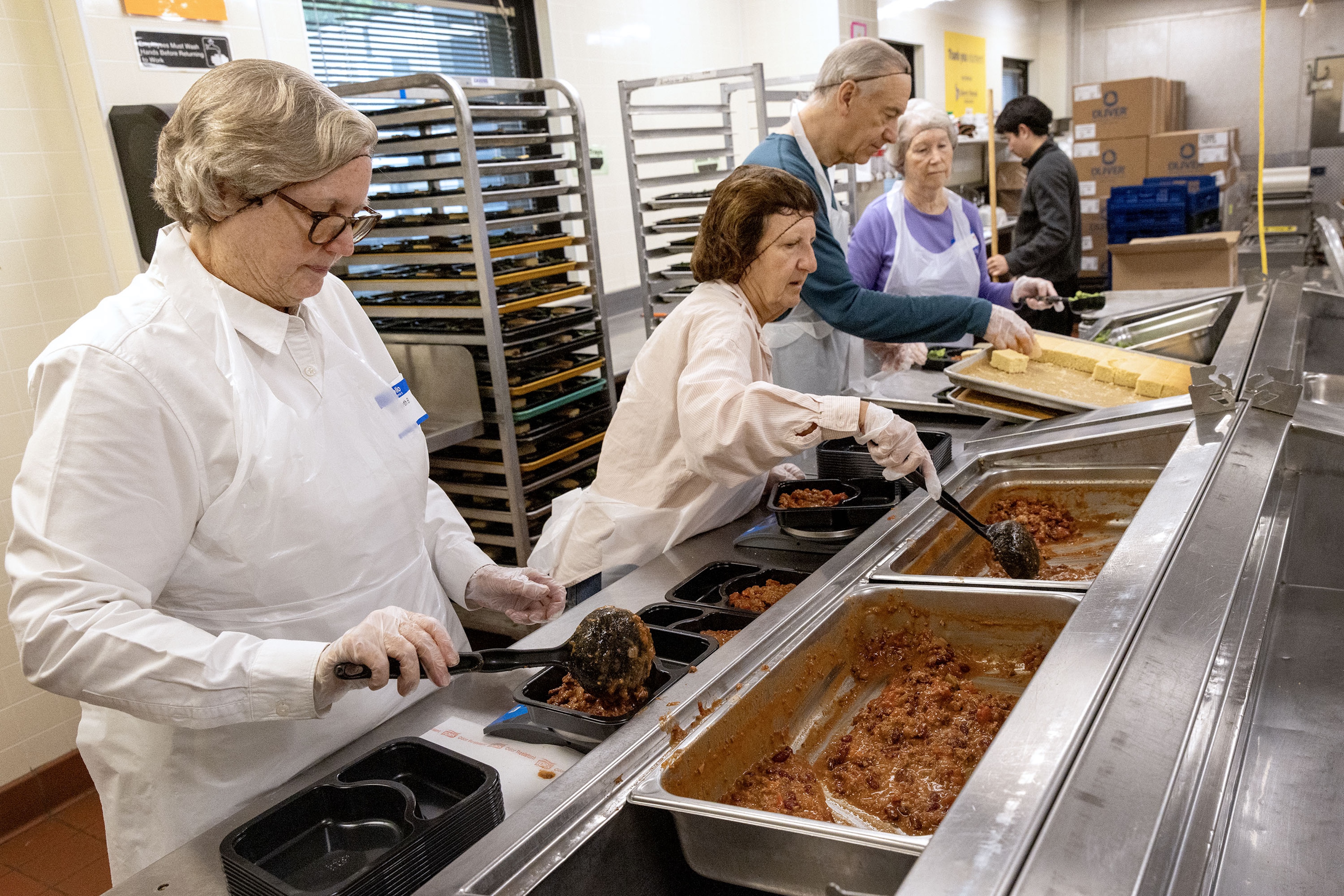
Massachusetts Medicaid meal deliveries cut hospital visits, study finds
A peer-reviewed study of nearly 1,900 Massachusetts Medicaid patients found medically tailored meal deliveries were linked to 20% fewer ER visits and 31% fewer hospitalizations, even as federal funding for such waivers grows uncertain.

A Kansas City health department turned around falling back-to-school vaccination rates
Extra clinics, extended hours, and a rapid-response news conference countering vaccine misinformation produced a measurable uptick in immunizations within days.