Baltimore is spending opioid settlement money to send clinicians, not police, to some 911 calls
KFF Health News reports on the city's plan to expand mobile crisis response, with the clearest outcome evidence so far coming from Durham rather than Baltimore.
This is not our reporting
This story was reported and published by KFF Health News. What follows is our summary of it, and why it matters for people writing policy.
Read the original at KFF Health News ↗Our summary
Baltimore is routing some 911 calls to mental health clinicians and peer counselors instead of police, drawing on the roughly $400 million the city has received from opioid-related legal settlements, with $15 million allocated so far. The reporting notes the city logged 1.68 million 911 calls in 2024, many of which need no badge, gun or handcuffs. Be honest about the evidence: the hard numbers in the piece come from Durham, North Carolina, whose HEART program diverted more than 12,000 calls in four years and needed police backup on 0.02 percent of them. Baltimore's own diversion outcomes, per-call costs and expansion timeline are not established here.
Read the full story at KFF Health News ↗
More from The Effective

California built insurance billing for school mental health care, and most districts still aren't using it
KFF Health News finds that four years into a $4.4 billion initiative, fewer than a fifth of enrolled campuses had filed a claim.
Who are the Ideal 911 Operators?
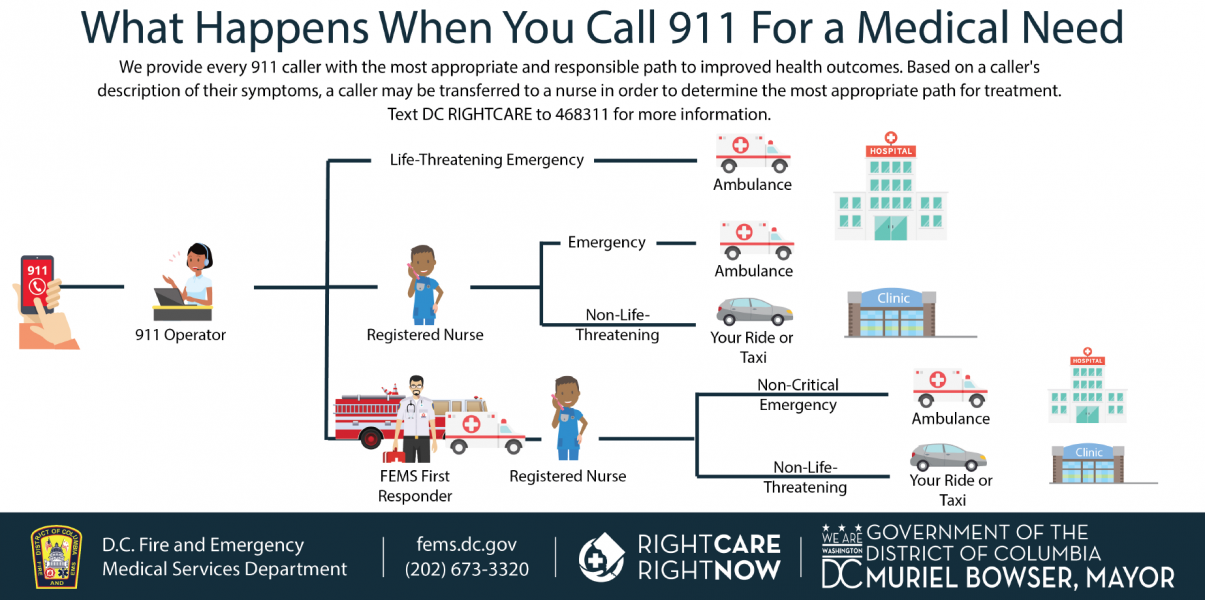
Washington, DC looped nurses into the 911 call flow and avoided nearly $4 million in ambulance costs during its pilot program.
Massachusetts Medicaid meal deliveries cut hospital visits, study finds
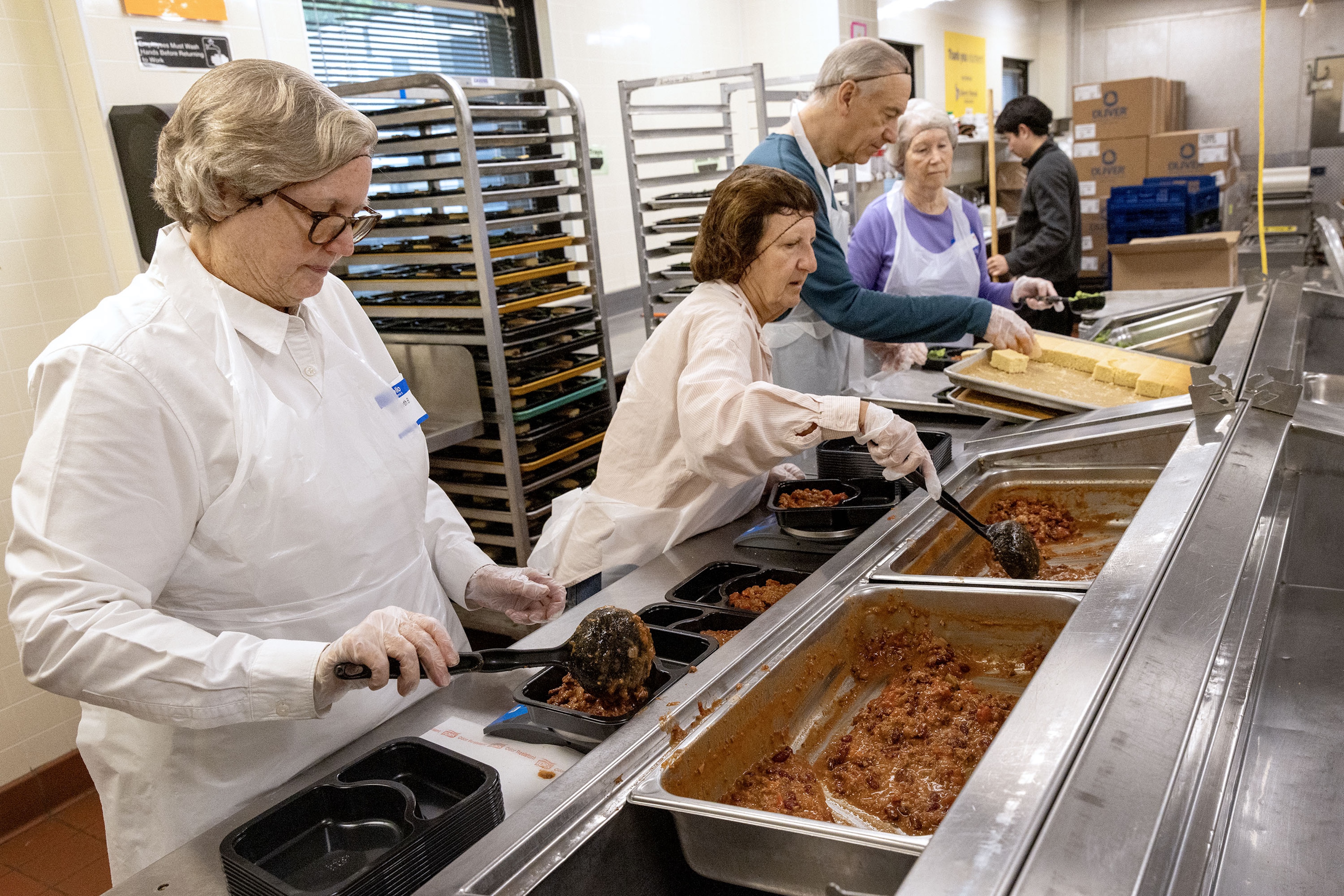
A peer-reviewed study of nearly 1,900 Massachusetts Medicaid patients found medically tailored meal deliveries were linked to 20% fewer ER visits and 31% fewer hospitalizations, even as federal funding for such waivers grows uncertain.