What reading programs that actually raise scores have in common
An analysis of thousands of schools that beat literacy expectations for their poverty levels finds a recurring set of practices, from protected instructional time to explicit foundational-skills teaching.

This is not our reporting
This story was reported and published by The 74. What follows is our summary of it, and why it matters for people writing policy.
Read the original at The 74 ↗Our summary
In an opinion piece for The 74, Chad Aldeman draws on the outlet's Bright Spots project, which compared literacy and poverty rates across 10,000 districts and 42,000 schools to identify over 2,000 schools beating the odds. He argues the common threads aren't flashy programs but strong leadership, protected core reading time, explicit foundational-skills instruction, and high expectations, citing specific district examples: Worcester County, Maryland, which shields reading blocks from interruption; Rockford, Illinois, which saw gains after switching to skill-based grouping; and Steubenville, Ohio, where nearly all third graders read proficiently. For policymakers, it's a reminder that basics done consistently, not novel interventions, drove the measured results.
Read the full story at The 74 ↗
More from The Effective
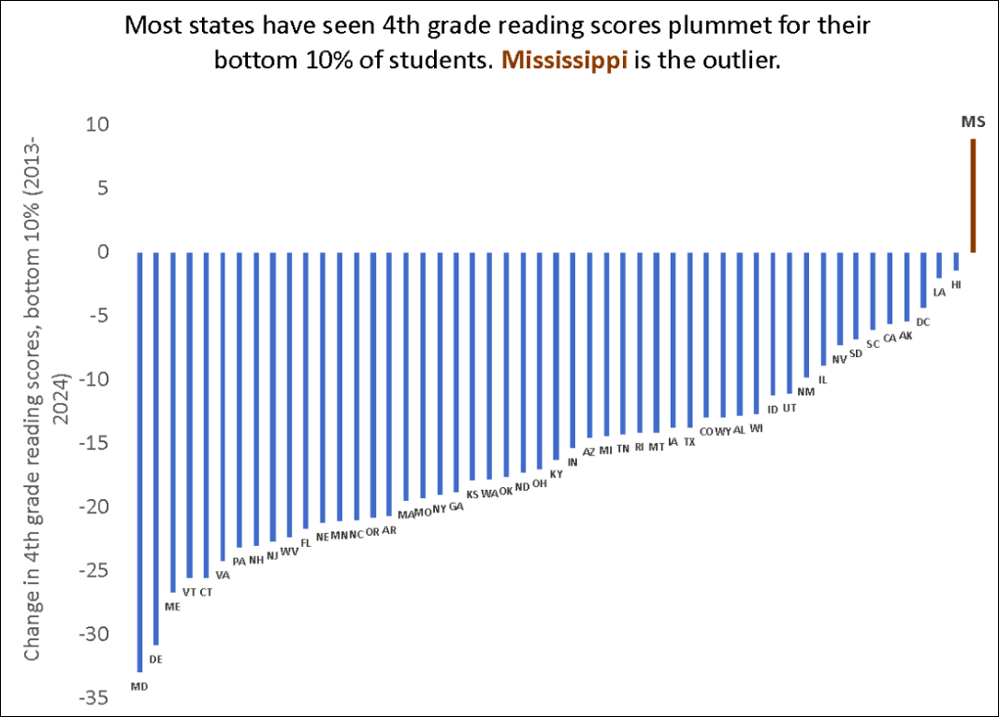
How Mississippi Solved its Literacy Crisis
The state ranked 49th in reading in 2013. By 2025, it ranked 9th. Mississippi is no longer the butt of the joke, and other states should be taking notes.
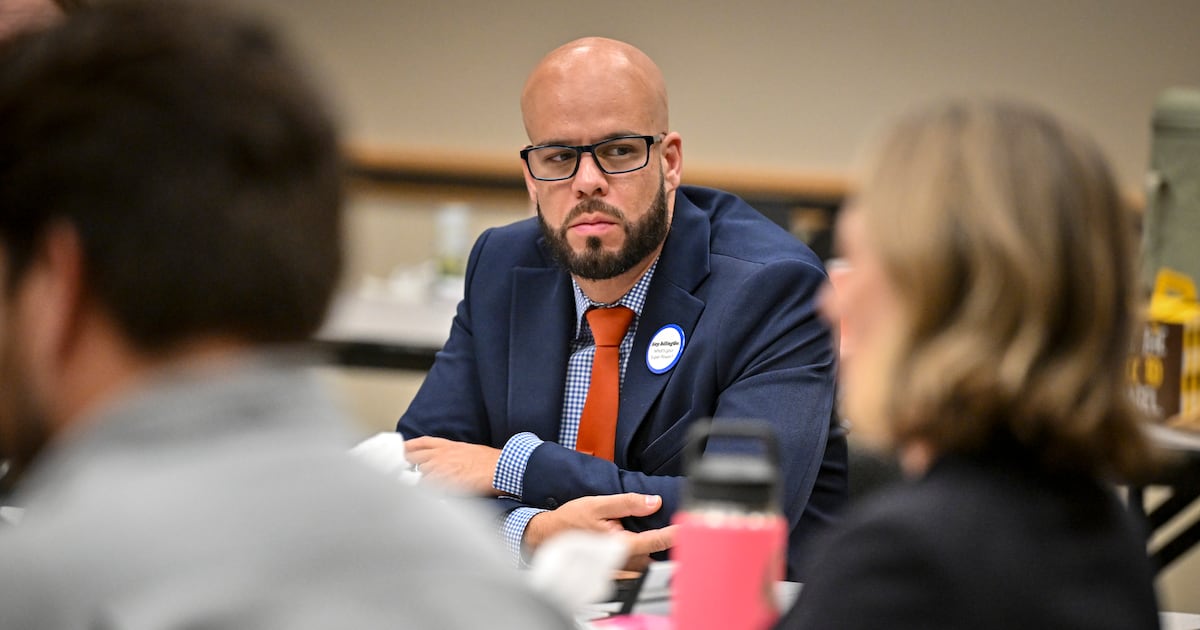
Denver hit its early literacy target and missed its 3-8 reading goal, four years after publishing both
Chalkbeat checks Denver Public Schools' 2022 strategic plan against the 2026 test results it promised to move.

Tulsa schools flag eviction filings so families get help before kids fall behind
A Tulsa Public Schools partnership with a local nonprofit alerts parents facing eviction to legal aid and rental assistance, aiming to keep children enrolled.