The Success of the New Democratic Congress Depends on State Governors
Biden's Infrastructure Bill was a godsend, but only for some. Louisiana’s federally-funded broadband program is up and running, California’s took 5 years to receive approval, and Texas’ is under investigation.
As we head into a very blue 2027, it's time to reflect on the last major Democratic legislative push, and how it's faring today.
The election of 2020 ushered in Democrat Joe Biden and an aggressive agenda to spend across the country. States, Democratic and Republican alike, received unprecedented funding through the American Rescue Plan and the Infrastructure Bill. But whether citizens actually felt the benefit of these hard fought legislative battles depends on their state government, and its ability to turn those dollars into action.
Now that Democrats have taken the House and the Senate, they have a chance to pass an even more aggressive agenda, targeting housing shortages, and grocery prices. But Congress's success depends on the competency, not the politics, of fifty governors.
Biden's Infrastructure Bill earmarked $65 billion to expand reliable, affordable and high-speed internet across the country. The Broadband, Equity, Access, and Deployment (BEAD) program, the largest of the broadband efforts, allocated $42.45 billion to states and territories. It was then up to those states to deploy that money effectively. Today, an individual's access to broadband depends not on the federal government but on their state government.
To get access to the BEAD funds, states had to create a plan, map the eligible homes and businesses, run a competitive grant program and pick providers. Each step required approval from the National Telecommunications and Information Administration. Once steps are completed, the funds are released and the states could start building. In 2025, the Trump administration changed some of the parameters and allowed more money for technologies beyond fiber. These changes further delayed the rollout.
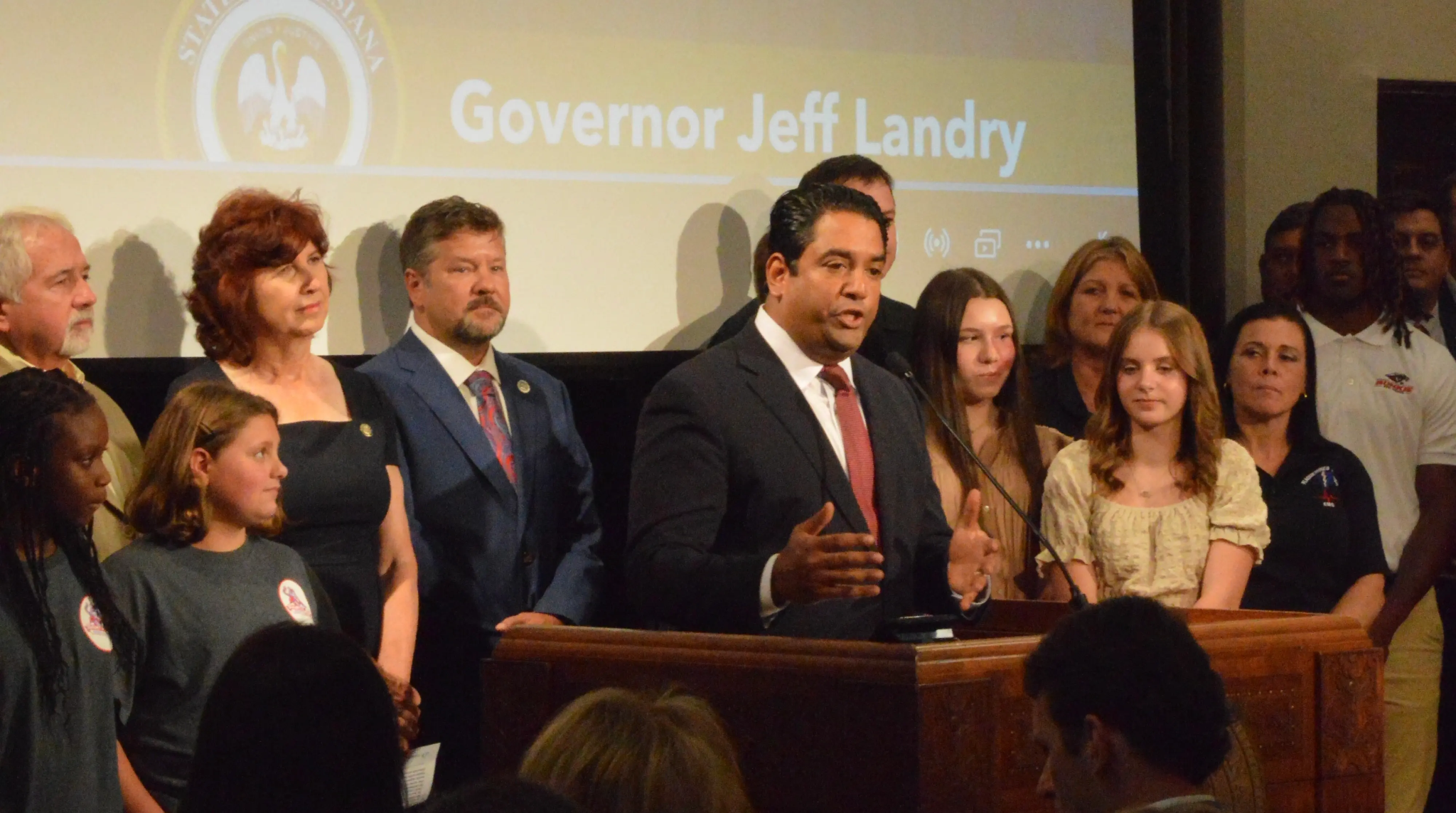
Despite the changes at the federal level, Louisiana was first at nearly every step. Since 2021, Louisiana has raised broadband access from 60% to 94% of the state. Louisiana, which had spotty service in about 40% of the state in 2021, now offers high-speed and reliable access to the vast majority of the state.
Louisiana set up ConnectLA to handle the program. ConnectLA is headed by a single director with only three full time staff. The Executive Director, Veneeth Iyegnar attributes his department's success to having a small mission-driven team, with direct access to the Governor. ConnectLA created its own subgranting process, outside the state procurement process, cheekily dubbed GUMBO: "Granting Unserved Municipalities Broadband Opportunities."
As a result, Louisiana was the first state to have its initial and final plans approved. Then, in May 2026, Louisiana turned on the nation's first BEAD-funded wireless tower. The tower supported reliable service across Bienville and Bossier Parishes. For Louisianans, Biden's BEAD program has made a rapid and significant difference in internet access. But the same cannot be said for Californians and Texans.
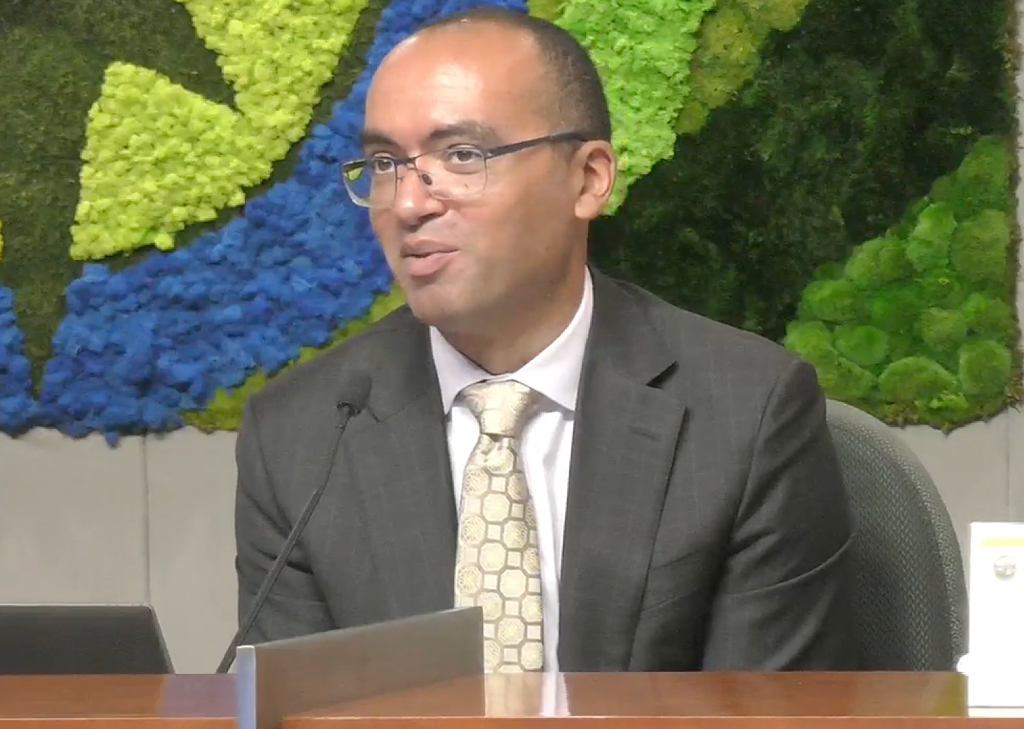
In July 2026, two months after Louisiana had its first tower up and running, California finally got its full plan approved. California missed deadlines, and requested repeated extensions along the way. It has yet to start construction. California placed its BEAD program in its Public Utilities Commission (CPUC). As part of CPUC, BEAD related decisions require a vote of the five member regulatory commission. Sitting inside a larger rulemaking body means that BEAD moves slower and Californians have yet to feel its impact.
While California is moving slowly, it is still moving. In Texas, the program has been completely frozen. Texas runs its program through the Broadband Development Office, within the State Comptroller's Office. Texas was allocated $3.3 billion, which was the largest grant for any state. After the 2025 Trump administration's restructuring, Texas shifted more money to satellites. Texas's plan covered 243,000 locations, about 51% would get fiber access, 27% satellite, and 22% fixed wireless. SpaceX's Starlink won the most locations, and a fiber company, Nextstream, won the most money.
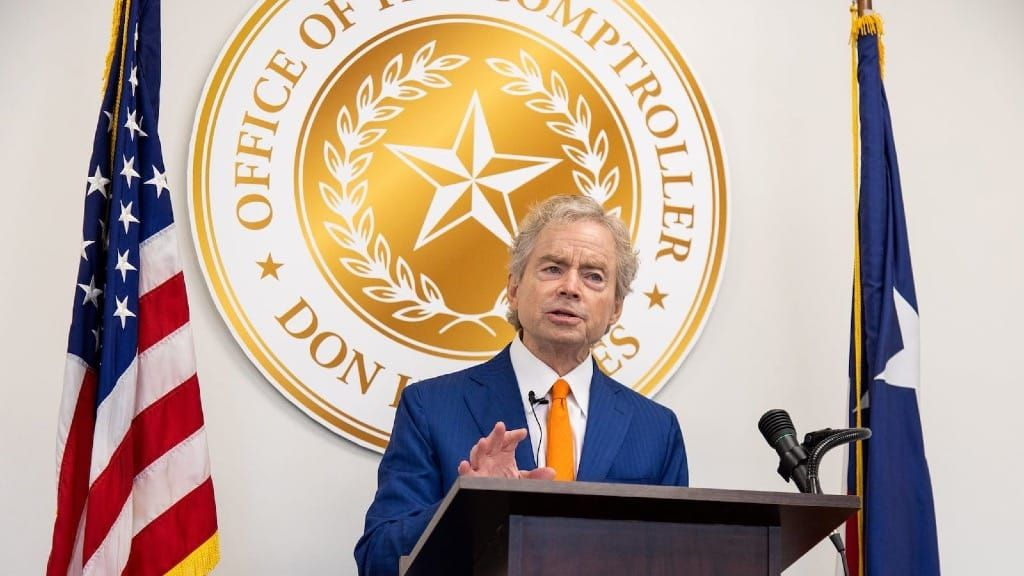
Texas signed agreements with 17 providers, but four of the winning bidders backed out shortly after the award. The state Senate held hearings in June to investigate the subgrant program. In the investigation, Republican State Senator Schwertner raised reports that Starlink received money upfront, while other subgrantees were paid in installments. The Broadband Office denied favoritism.
On August 1st, Comptroller Huffines dismissed the Broadband Office Director, and on August 11th, the office froze all BEAD funds pending a full audit. No date has been set for the audit, which leaves the program and unserved residents in limbo.
Louisiana, Texas, and California were all beneficiaries of the same federal program. But whether their residents could benefit from that program depended entirely on their state government's ability to stand-up and roll out an effective program.
As Democrats hope to capitalize on their win in Congress and ride the blue wave to 2028, whether everyday Americans feel the benefits of their agenda depends largely on each state.
Sources
- ConnectLA: Louisiana's BEAD program
- CPUC finalizes California's BEAD plan — Broadband Breakfast
- Texas halts BEAD disbursements as new Comptroller recasts broadband office — Broadband Breakfast
More from The Effective
Detroit's chronic absenteeism has fallen from its pandemic peak, and student attendance pay shows some early success
A Chalkbeat Detroit piece gives the district's attendance numbers and describes its incentive experiment while candidates debate penalizing parents.

Some Missouri schools get strong reading results for disadvantaged students, and could be studied
An analysis of state data identifies schools where low-income students outperform the statewide average, even as Missouri's overall reading scores have fallen.

One year later: Are California’s housing reforms working?
The path to ruin is paved with good intentions. In an effort to rein in the burden of environmental review standards, Gov. Gavin Newsom signed major CEQA reforms in June 2025. A year later, how is the program doing?