A court order forces Chicago to fix the accessible housing it funded but never checked
Every one of roughly 100 city-funded affordable buildings surveyed in an eight-year civil rights case failed federal accessibility standards, and the settlement now requires 2,800 accessible units.

This is not our reporting
This story was reported and published by Shelterforce. What follows is our summary of it, and why it matters for people writing policy.
Read the original at Shelterforce ↗Our summary
Chicago spent eight years fighting a federal civil rights suit over affordable rental housing it financed but never verified for accessibility, and in May agreed to a settlement the reporting describes as the second largest of its kind. Architectural experts surveyed roughly 100 city-funded buildings, according to the piece, and every one failed federal requirements. The order requires 2,800 accessible units over twelve years, $2.25 million in damages, a court monitor, and a first-ever database matching residents to accessible units. Attorneys interviewed estimate Los Angeles's comparable 2016 settlement has cost close to $1 billion. The transferable lesson: developers self-certify compliance, and nobody checks until someone sues.
Read the full story at Shelterforce ↗
More from The Effective
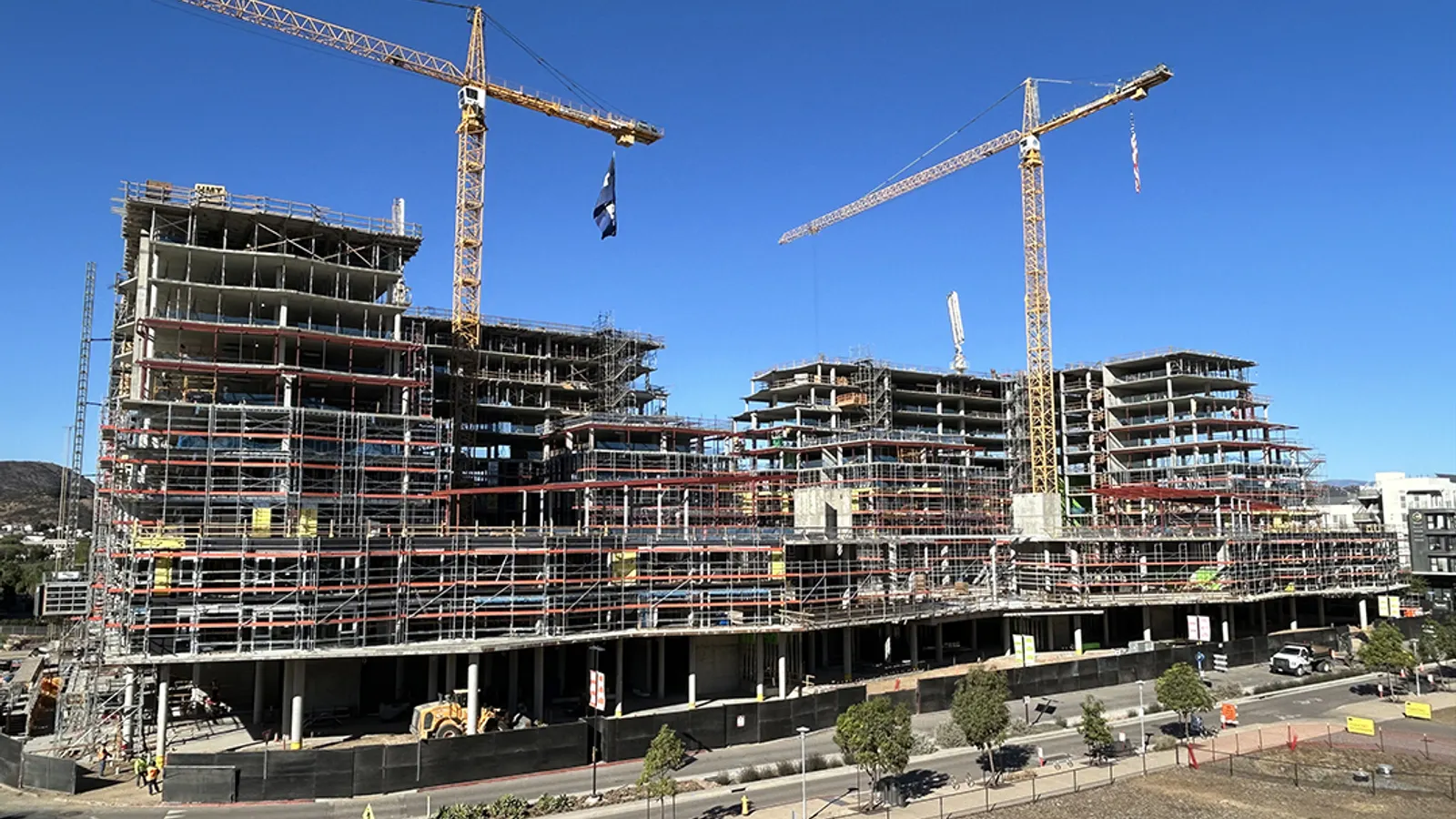
One year later: Are California’s housing reforms working?
The path to ruin is paved with good intentions. In an effort to rein in the burden of environmental review standards, Gov. Gavin Newsom signed major CEQA reforms in June 2025. A year later, how is the program doing?
Pittsburgh cuts routine permit waits from a week to one day
A first phase of permitting reforms — virtual inspections, an online tracker, and an 'EZ Permits' fast lane — targets low-risk residential and commercial work.
.jpg)
Panhandler? You could be a Santation Worker Instead
Albuquerque's 311 van drives around the city all day, picking up panhandlers and taking them to work. But is that really a viable way to reduce homelessness?