California built a public tracker for AI job loss and so far it finds almost none
The state's unemployment agency and a university lab match jobless claims against AI task-exposure scores, and the reporting says the only moving line is claims from college-educated workers in high-exposure jobs.

This is not our reporting
This story was reported and published by Route Fifty. What follows is our summary of it, and why it matters for people writing policy.
Read the original at Route Fifty ↗Our summary
California's Employment Development Department and the California Policy Lab built a public tool that reads unemployment insurance claims against measures of how exposed an occupation's tasks are to AI, covering January 2019 through May 2026. The headline finding, according to the reporting, is a negative one: no evidence overall of rising claims from AI-exposed occupations. One subgroup moves — college-educated workers in high-exposure jobs, whose monthly claims rose from roughly 13,000 in late 2022 to between 16,000 and 22,000 since 2023. Researchers call these early signals, not a policy verdict, and caution that exposure captures what AI could do, not what employers actually adopted.
Read the full story at Route Fifty ↗
More from The Effective
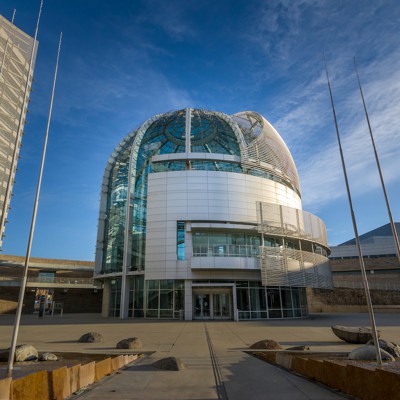
San Jose trained a seventh of its workforce in AI by building the course itself
The reporting says more than 1,000 city employees have finished an in-house program run with San José State University since 2024, though what is measured so far is enrollment rather than results.
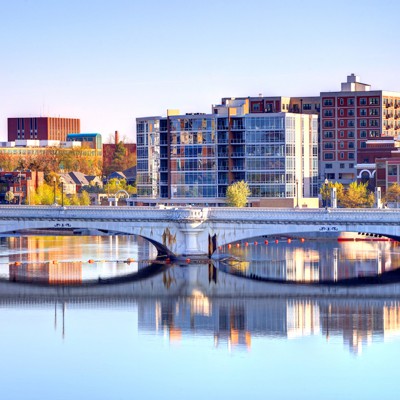
South Bend built a digital services division over a decade by banking early wins for political capital
The Indiana city's digital services director explains how small early projects created the credibility and budget support needed to sustain longer-term modernization work.
AI screening of permit applications cut Honolulu's median housing permit wait by about 40 percent
Cities are putting automated completeness checks in front of human plan reviewers, and the reporting finds real time savings in Honolulu alongside a pilot Seattle judged not ready to adopt.